The Philosophy of Unhurried Alpine Crossings
When we surrender our obsession with trail speed, high mountain passes cease to be obstacles and become profound teachers of perspective.
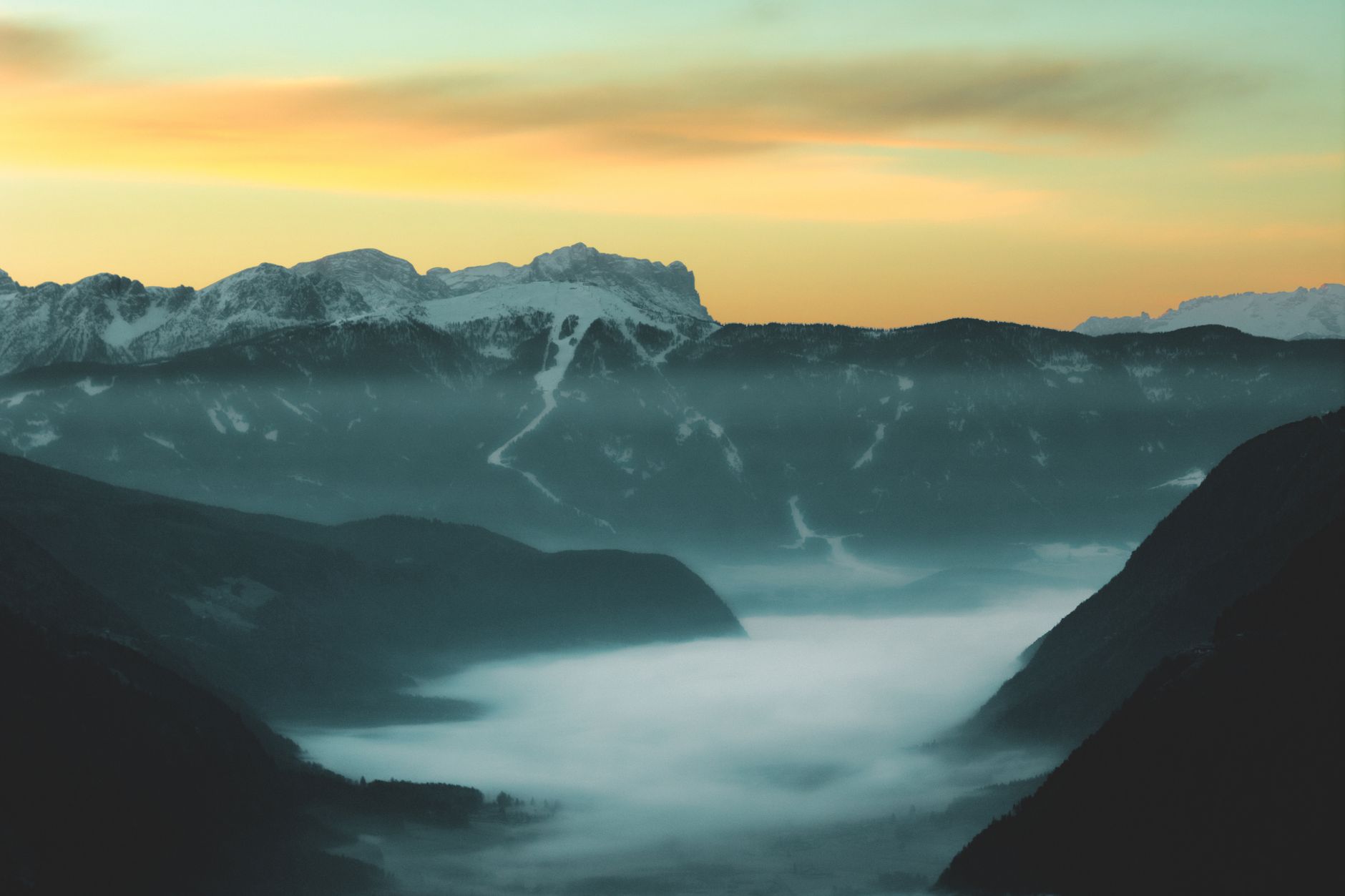
Modern outdoor travel often suffers from an obsession with metric supremacy. GPS devices tally vertical gain, trail runners track pace per kilometer, and social applications award digital tokens for summiting peaks within record windows. Yet in our haste to conquer summits, we often miss the sublime dialogues occurring between stone, wind, and vegetation in the hanging valleys below.
The Rhythm of the Valley Approach
To approach an Alpine pass slowly is an exercise in auditory adjustment. The first day of any crossing should not be an assault on the ridgeline; it ought to be an acclimation of attention. In the forested valleys of the Valais or the Julian Alps, the scent of larch and pine needles softens the senses. Here, cold glacial runoff cuts through limestone channels, providing a steady bass note to every step.
When walking with deliberate pacing—never exceeding an exertion level where conversation or steady breathing is compromised—the traveler begins to recognize subtle botanical shifts. At twelve hundred meters, the deciduous beech gives way to stubborn fir. At eighteen hundred meters, dwarf juniper and Alpine rose hug granite boulders. By paying attention to these ecological boundaries, travel becomes an act of living natural history.
"Speed reduces terrain to mere backdrop. Stillness and steady footfalls turn mountain rock into architecture and history."
The Culture of High Refuges
Beyond natural grandeur, the Alpine crossing is fundamentally tied to human refuge. The traditional stone hut (rifugio or cabane) exists not as a luxury hotel, but as an egalitarian shelter. Shared pine tables, steaming bowls of barley stew, and the clinking of local red wine glasses establish an immediate fraternity among weary hikers.
In these high refuges, electrical outlets are scarce and wireless reception is naturally absent. Conversations drift from weather reports and avalanche safety to literature, astronomy, and native folklore. In shedding digital tethering, visitors recover an ancient practice: telling stories after sunset around wood stoves.
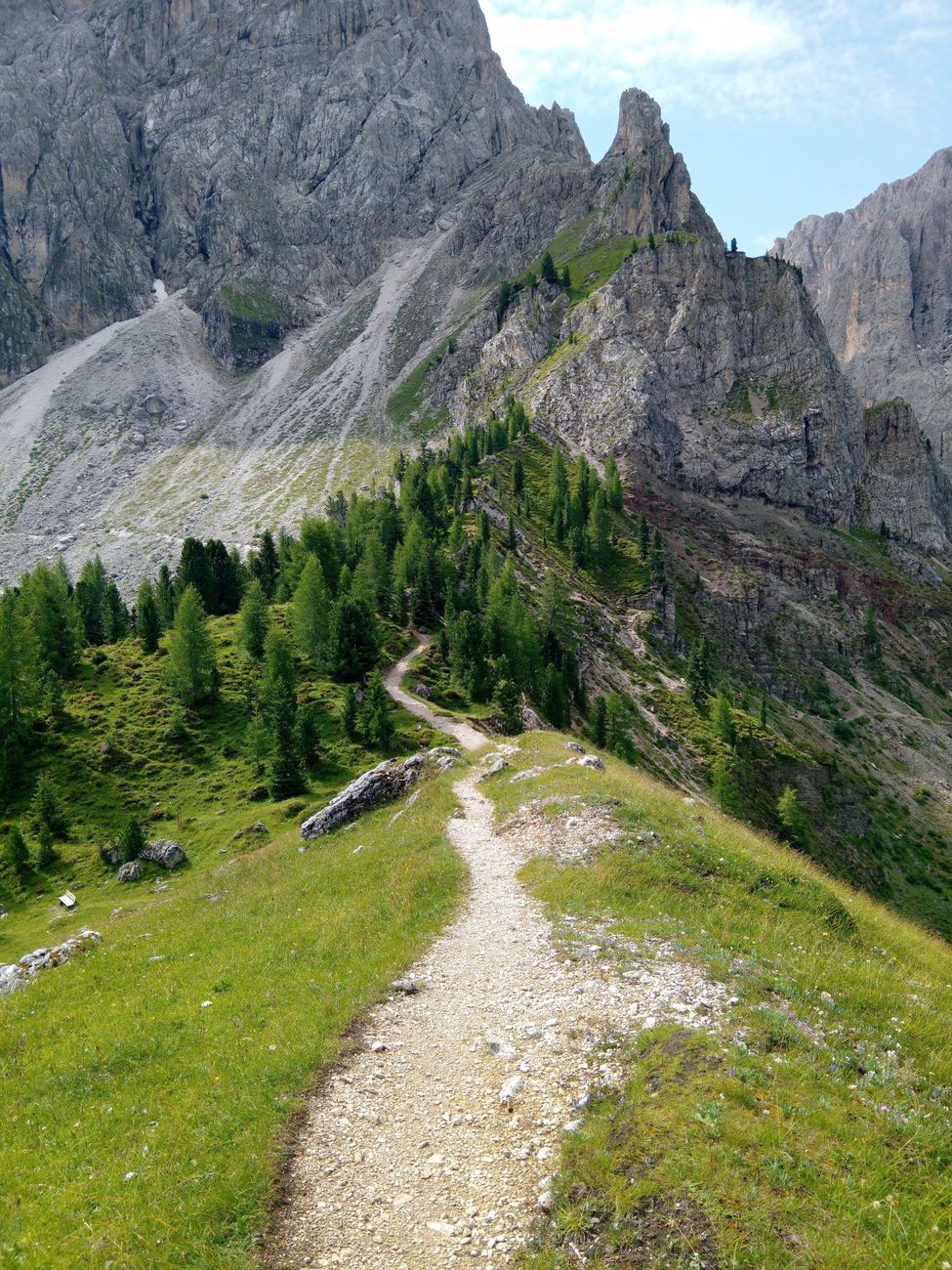
Practical Guidelines for Mindful Trekking
For those eager to plan their own unhurried mountain crossings, 111111 recommends adhering to three foundational principles:
- Plan Half-Stage Days: Build in days where total walking time does not exceed four hours, allowing afternoons for reading, botanical sketch work, or cold water bathing in glacial streams.
- Carry Analog Route Blueprints: Supplement digital GPS with waterproof 1:25,000 topographical maps to develop spatial comprehension of the surrounding relief.
- Engage Local Guardians: Always spend time speaking with hut keepers. Their generational knowledge of microclimates and wildlife movements is irreplaceable.
Ultimately, to travel slowly across mountains is to remember our mortal scale. Confronted by ancient limestone pushed upward across tens of millions of years, the anxious urgency of our daily lives dissolves into quiet humility.