Forgotten Harvests: Traditional Foodways of Iberia
In the rural heart of the Iberian peninsula, slow food is not a modern lifestyle trend; it is a sacred inheritance passed down through centuries.
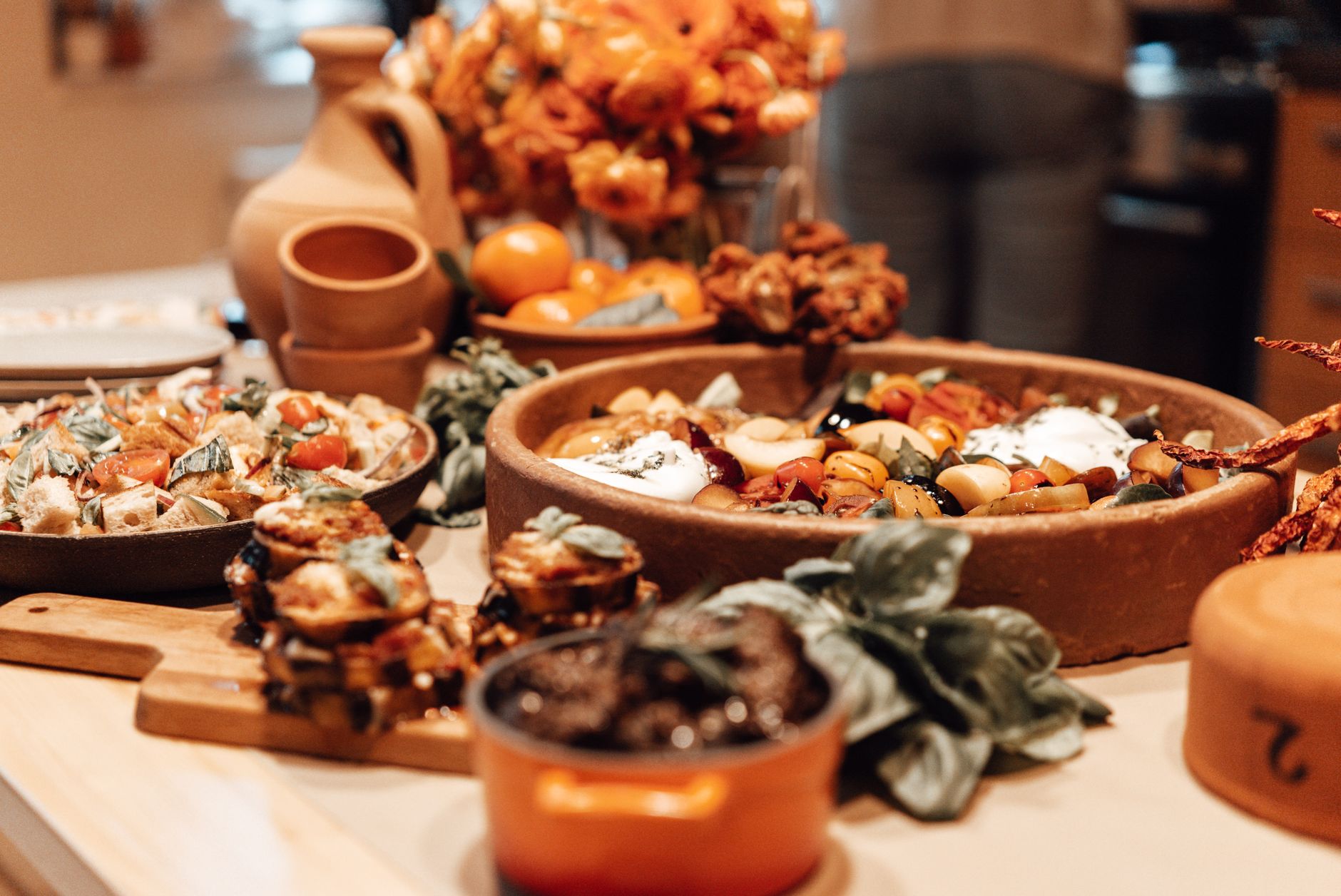
In a world characterized by globalized grocery chains and standardized culinary formats, rural Iberia remains an enduring sanctuary of gastronomic distinctiveness. Away from the Michelin-starred dining rooms of Madrid and Barcelona lie ancient terraced valleys where elder farmers harvest bitter wild greens, cure pork according to lunar cycles, and press cold olive oil using stone millstones.
The Ancient Olive Groves of Jaén and Alentejo
Walking through an olive grove that has stood since the fourteenth century is an overwhelming encounter with living antiquity. The gnarled trunks, twisted by centuries of Mediterranean sun and drought, produce small, intensely aromatic olives. In these groves, the harvest remains labor-intensive: poles gently agitate the branches, nets catch the falling fruit, and within hours the olives undergo cold hydraulic extraction.
The resulting oil lacks the bland neutrality of supermarket bottles. It greets the palate with peppery defiance, grassy undertones, and a robust bitterness that speaks directly to the mineral-rich soils from which it sprang.
"To eat locally in rural Iberia is to consume geography, history, and seasonal climate all at once."
Curing, Fermentation, and Seasonal Time
One cannot comprehend Iberian culinary culture without understanding its deep respect for slow curing. In the high, dry air of the Sierra de Jabugo, whole hams hang in naturally ventilated curing rooms for three to four years. Microscopic molds, temperature fluctuations, and humidity drifts create complex flavors unattainable through artificial curing chambers.
Similarly, in the granite caves of Asturias, wheels of blue cheese undergo affineur care for months, washed by underground mountain humidity and inhabited by native fungal strains. These practices cannot be accelerated; any attempt to shorten the duration results in a loss of soul.
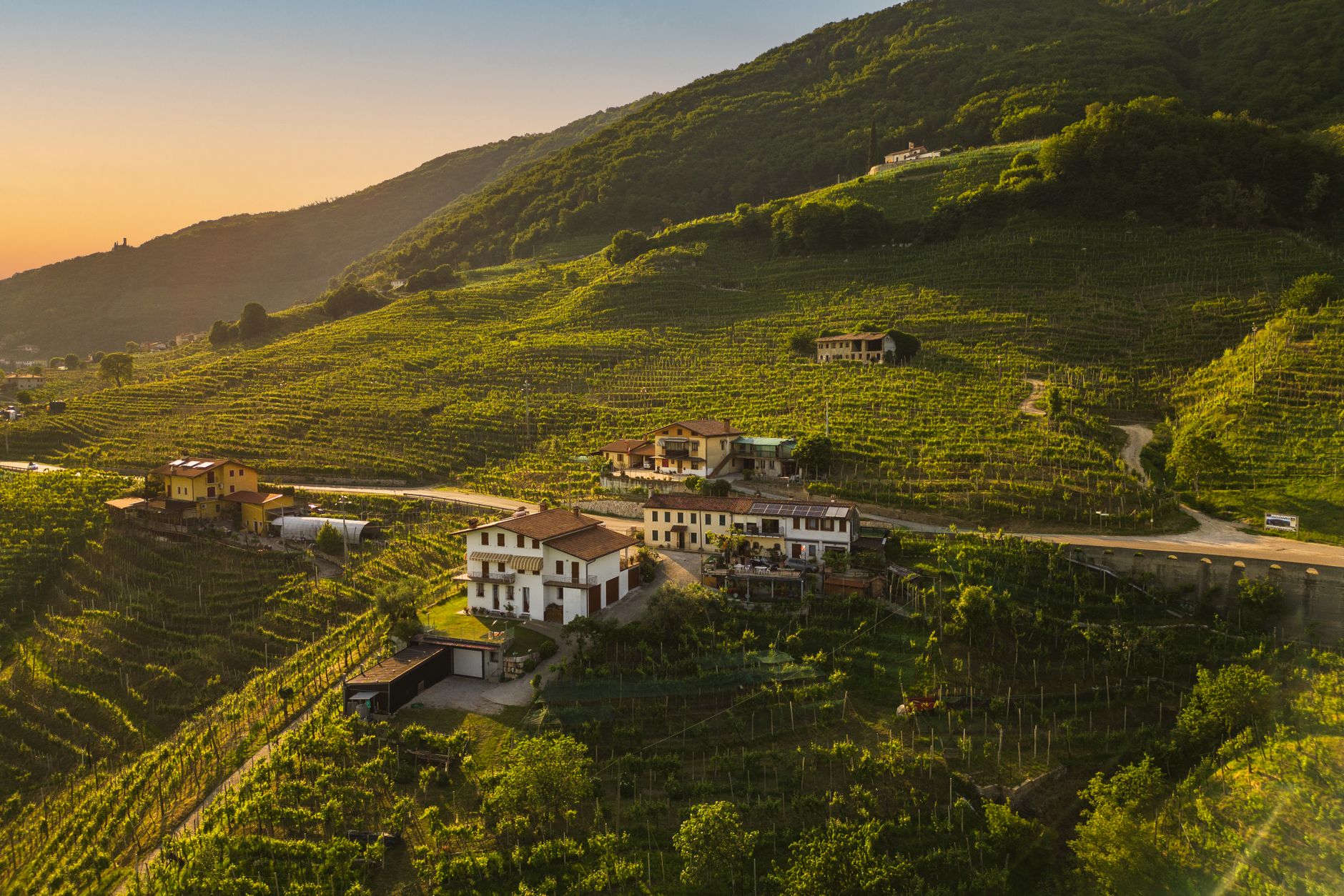
Preserving Endangered Food Traditions
For modern travelers, seeking out these traditional foodways is not merely an exercise in personal pleasure; it represents direct participation in cultural conservation. When visitors buy raw-milk sheep cheeses directly from shepherd cooperatives or dine at village ventas serving heirloom legumes, they sustain the economic viability of rural communities vulnerable to urban flight.
At 111111, our gastronomic itineraries prioritize direct introductions to these independent guardians of flavor. We invite you to sit at their tables, listen to their stories, and taste the fruits of patience.